Skip to content
Lean Project Management: Principles, Tools, Examples, and How to Apply It

Teams are often busy, but that doesn’t always mean work is moving forward. Delays caused by unclear priorities, repeated approvals, manual status updates, and scattered communication can slow even the best projects.
Lean project management helps teams deliver more value by removing the work that doesn’t contribute to the final outcome. Instead of asking people to work faster, it focuses on improving workflow, reducing waste, and making project delivery more predictable.
Today, Lean is used by software teams, marketers, agencies, operations teams, and many other businesses to improve how projects are planned and executed. It becomes even easier when tasks, milestones, documents, discussions, and reporting live in one workspace. Tools like Nifty support this approach by bringing project planning and execution together, helping teams spend less time managing work and more time delivering results.
This guide covers Lean project management principles, common wastes, practical tools, real-world examples, implementation steps, key metrics, and the software features that support Lean workflows.
What Is Lean Project Management?
Lean project management is a way to manage projects by delivering the most customer value while removing waste, improving workflow, and continuously refining how work gets done. Instead of focusing only on deadlines and budgets, it helps teams identify activities that slow progress and replace them with more efficient processes.
The idea comes from Lean manufacturing and the Toyota Production System, where the goal was to eliminate waste without compromising quality. Today, the same principles are used far beyond manufacturing. Software teams use Lean to streamline feature releases, marketing teams improve campaign delivery, agencies simplify client workflows, and operations teams reduce process bottlenecks.
Lean project management is often misunderstood as simply working faster or cutting costs. That’s not the goal. The goal is to remove unnecessary work so teams can spend more time creating value. This could mean reducing approval delays, avoiding duplicate work, or improving communication between teams.
Imagine a marketing team that takes three weeks to launch a campaign. One week is spent waiting for approvals, chasing feedback, and searching for the latest files. Lean doesn’t ask the team to work longer hours. It asks them to remove those delays so the campaign moves from planning to launch more smoothly.
A workspace like Nifty can support this approach by connecting project goals, briefs, tasks, documents, and timelines in one place, making it easier for everyone to stay aligned from planning through delivery.
Lean Project Management vs Traditional Project Management
Traditional project management focuses on delivering projects on time and within budget. Lean project management focuses on delivering customer value by improving workflow and reducing waste.
| Area | Traditional Project Management | Lean Project Management |
| Main focus | Scope, timeline, and budget | Customer value, flow, and waste reduction |
| Planning style | Detailed upfront planning | Continuous improvement |
| Progress measurement | Milestones and completion status | Flow, cycle time, lead time, and bottlenecks |
| Team behavior | Work follows the plan | Work improves as the process improves |
| Best suited for | Predictable projects | Dynamic workflows, recurring work, and cross-functional teams |
Lean teams also need clear visibility into project progress. Visual roadmaps and milestone tracking reduce the need for manual status updates by showing progress in real time. For example, Nifty automatically updates milestone progress as linked tasks are completed, helping teams identify delays and keep work moving.
The 5 Principles of Lean Project Management
Lean project management is built on five core principles that help teams deliver more value with less waste. Together, these principles improve workflow, reduce delays, and support continuous improvement.
1. Define Value From the Customer’s Perspective
Value is the outcome that benefits the customer, stakeholder, or business. It is not every task the team completes.
For example:
- Product teams: Build features customers have requested.
- Marketing teams: Create campaigns that generate qualified leads or trials.
- Agencies: Deliver work that improves client results.
- Operations teams: Remove delays that slow internal processes.
Before creating tasks, define the desired outcome. A workspace like Nifty can help teams connect goals, project briefs, tasks, and delivery timelines in one place, making it easier to keep everyone focused on the same objective.
2. Map the Value Stream
Value stream mapping helps teams visualize every step between a request and the final delivery. By mapping the workflow, it’s easier to identify delays, duplicate work, and unnecessary approvals.
A simple workflow might look like this:
Request → Brief → Approval → Production → Review → Revision → Final Approval → Launch → Reporting
Once the entire process is visible, teams can remove steps that don’t add value and improve the ones that do.
3. Create Flow
Flow means work moves smoothly from one stage to the next without unnecessary interruptions. Projects lose momentum when tasks sit idle or people spend time waiting instead of working.
Common flow blockers include:
- Too many tasks in progress
- Unclear handoffs
- Late stakeholder reviews
- Missing documentation
- Manual status updates
Visual task management makes these issues easier to spot. Nifty offers Kanban, List, Swimlane, Timeline, and Calendar views, giving teams multiple ways to monitor progress and identify blocked work before it delays the project.
4. Use a Pull System
A pull system means new work starts only when the team has the capacity to handle it. This prevents overloaded schedules and improves focus.
To apply a pull system:
- Limit work in progress (WIP)
- Prioritize high-value tasks
- Start new work only when capacity is available
- Check dependencies before assigning tasks
This approach helps teams complete work faster instead of juggling too many unfinished tasks.
5. Improve Continuously
Continuous improvement, often called Kaizen, encourages teams to make small, ongoing improvements instead of waiting for major process changes.
Regular reviews can reveal what slowed delivery and what should change next. Useful activities include:
- Retrospectives
- Workflow reviews
- Bottleneck analysis
- Project post-mortems
- Time tracking
Tracking where time is spent also supports better decisions. Nifty’s time tracking and reporting features provide visibility into hours logged by project, task, and team member, helping teams identify inefficiencies and improve future workflows.
Simplify Lean project management with Nifty.
Get Started
The 8 Wastes of Lean Project Management
Lean project management helps teams identify and remove activities that don’t create value. The DOWNTIME framework highlights eight common types of waste found in project work.
Defects
Errors caused by unclear requirements, poor handoffs, or incomplete reviews often lead to rework, delays, and higher costs.
Overproduction
Creating reports, documents, features, or marketing assets that no one uses wastes both time and resources.
Waiting
Projects slow down when tasks are delayed because teams are waiting for approvals, feedback, access, or information.
Non-utilized Talent
Highly skilled employees lose valuable time when they handle repetitive admin work, duplicate updates, or unnecessary coordination instead of higher-impact tasks.
Transportation
Knowledge workers waste time moving information between emails, chat apps, spreadsheets, documents, and project tools instead of working from a single source of truth.
Inventory
Large backlogs, unfinished tasks, unused assets, and half-completed briefs create work that adds little value until it is completed.
Motion
Constantly searching for files, switching between tools, chasing updates, or repeating the same information interrupts focus and reduces productivity.
Extra Processing
Too many approval steps, unnecessary documentation, or overly complex workflows increase effort without improving the final outcome.
Lean waste often hides inside scattered tools. When project briefs, tasks, discussions, timelines, files, and reporting are spread across multiple systems, teams spend more time moving information than delivering work. A unified workspace like Nifty helps reduce this operational waste by bringing tasks, documents, discussions, reporting, and project planning together in one place.
Lean Project Management Tools and Techniques
Lean project management uses simple tools to improve workflow, reduce waste, and keep work moving. The goal is to make problems visible so teams can fix them quickly.
Kanban Boards
Kanban boards visualize each stage of work, making it easier to track progress and identify bottlenecks before they delay delivery.
Example workflow:
Backlog → In Progress → Review → Approved → Ready
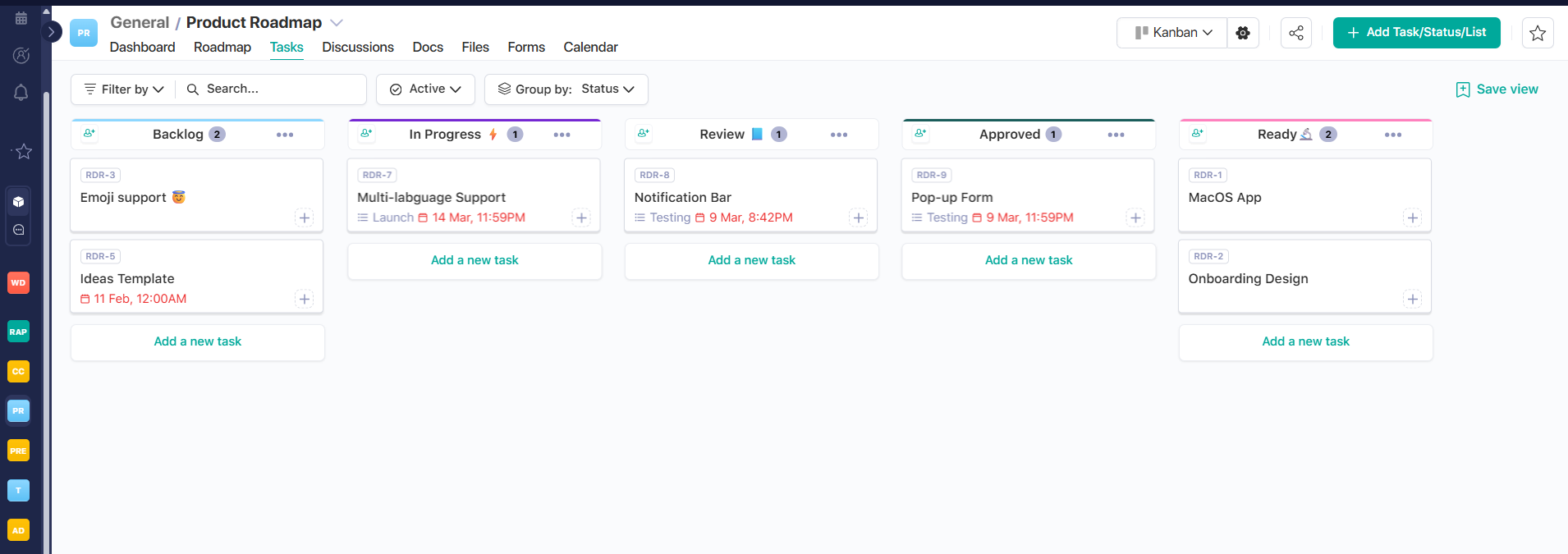
Teams using Nifty’s Kanban view can organize, prioritize, and track tasks from planning through completion in a single board.
Value Stream Mapping
Value stream mapping shows every step from request to delivery. It helps teams identify unnecessary steps, bottlenecks, and delays before designing a more efficient workflow. Review the current process first, remove waste, then create and refine the future workflow over time.
PDCA Cycle
The PDCA (Plan, Do, Check, Act) cycle supports continuous improvement.
- Plan: Identify an improvement.
- Do: Test the change on a small scale.
- Check: Measure the results.
- Act: Standardize the improvement or make adjustments.
5 Whys
The 5 Whys technique helps uncover the root cause of a problem instead of treating the symptom.
Example:
- Why was the project late? Design feedback arrived late.
- Why? Reviewers weren’t assigned early.
- Why? The workflow didn’t define approval ownership.
WIP Limits
Limiting Work in Progress (WIP) prevents teams from taking on too many tasks at once. Fewer active tasks improve focus, reduce context switching, and help work move through the pipeline faster.
Visual Roadmaps
Roadmaps give teams a clear view of project phases, milestones, dependencies, and deadlines. Nifty’s roadmaps support milestone tracking, Swimlane views, and automatic milestone progress updates based on completed tasks.
Time Tracking and Reporting
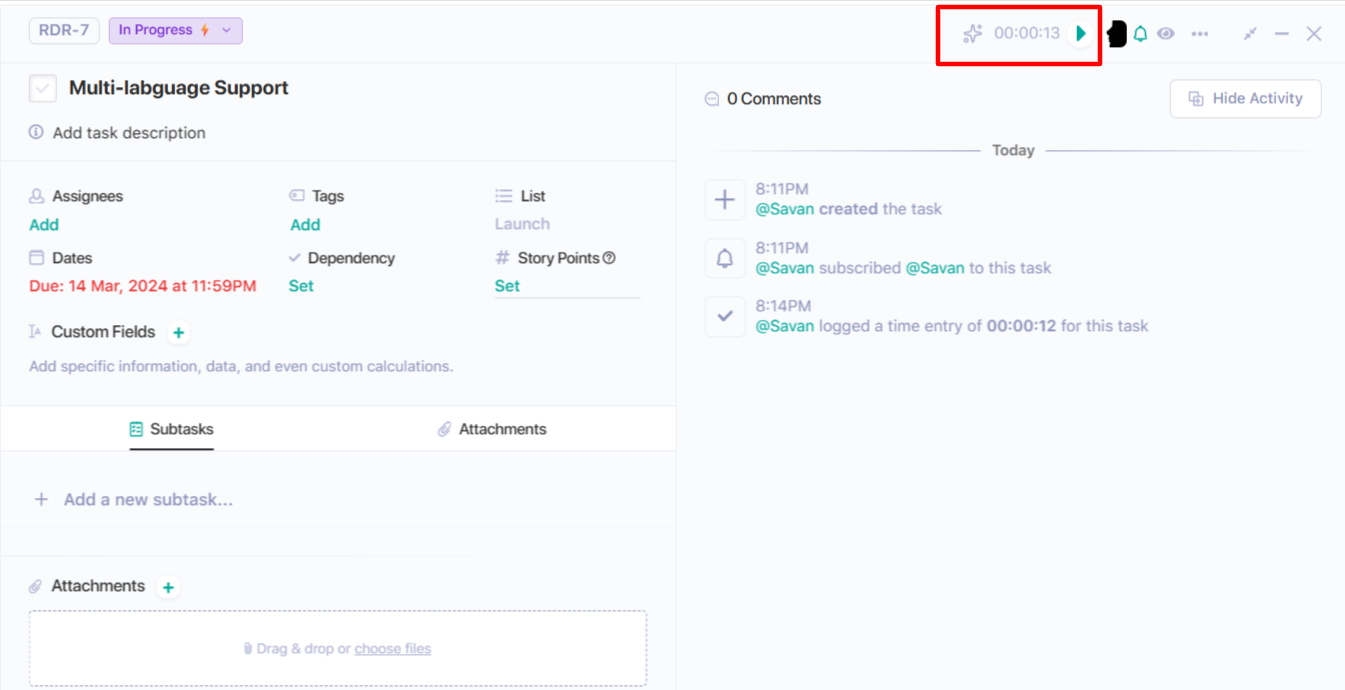
Lean teams measure where time is spent to improve planning, not to micromanage employees. Nifty’s reporting and time tracking provide visibility into logged hours by project, task, and team member, helping managers identify bottlenecks, balance workloads, and improve future estimates.
Benefits of Lean Project Management
Lean project management helps teams deliver projects faster while reducing unnecessary work. By improving workflow instead of increasing workload, teams can achieve better results with fewer delays.
Faster Delivery
Lean removes waiting time, duplicate work, and unnecessary handoffs, allowing projects to move from planning to delivery more quickly.
Better Team Focus
Teams spend less time on low-value activities, such as manual updates or repeated approvals, and more time completing work that supports business and customer goals.
Lower Project Waste
Waste can take many forms, including unnecessary spending, duplicate work, rework, unused deliverables, and time lost to inefficient processes. Lean helps identify and eliminate these issues before they grow.
Better Stakeholder Alignment
When project goals are clear and progress is visible, stakeholders can stay informed without relying on frequent meetings or manual status reports.
Higher Quality Output
Clear requirements, structured reviews, and faster feedback loops reduce defects and improve the quality of deliverables.
More Predictable Delivery
Tracking metrics such as lead time, cycle time, throughput, and bottlenecks gives teams a clearer picture of project performance and helps improve future planning.
Organizations often adopt Lean to improve efficiency, reduce operational costs, and eliminate workflow bottlenecks, making it a practical approach for teams across industries.
Keep Lean projects moving with Nifty.
Get Started
How to Implement Lean Project Management in 7 Steps
The best way to implement Lean project management is to improve one workflow at a time. Start small, measure the results, and build on what works.
Step 1: Choose One Workflow to Improve First
Don’t apply Lean across the entire organization at once. Start with a repeatable workflow, such as:
- Blog production
- Product release planning
- Client onboarding
- Bug triage
- Campaign launches
- Design request management
A focused approach makes it easier to measure improvements.
Step 2: Define Customer or Stakeholder Value
Clarify what success looks like before changing the process. Ask:
- Who is this workflow for?
- What outcome do they expect?
- What does success look like?
- Which steps don’t directly support that outcome?
Step 3: Map the Current Workflow
Document how work moves today. A simple process map should include the step, owner, input, output, tool used, average time, waiting time, and common blockers. This helps identify where work slows down.
Step 4: Identify Waste and Bottlenecks
Review the workflow and look for:
- Approval delays
- Duplicate reviews
- Unclear ownership
- Rework
- Manual reporting
- Tasks waiting between teams
Removing even one bottleneck can improve delivery time.
Step 5: Redesign the Workflow
Simplify the process by removing low-value steps, clarifying ownership, limiting work in progress, moving approvals earlier, and keeping tasks, documents, and discussions connected.
Step 6: Track Lean Metrics
Measure improvements using:
- Lead time
- Cycle time
- Throughput
- Work in Progress (WIP)
- Rework rate
- Blocked tasks
- On-time milestone completion
- Time spent by project or task
These metrics show whether the new workflow is actually improving delivery.
Step 7: Review and Improve Every Cycle
Schedule regular workflow reviews and ask:
- What slowed us down?
- Which work created the most value?
- What should we stop doing?
- Which bottleneck should we fix next?
How This Looks in a Project Management Tool
A project management platform can help teams apply these steps consistently. For example, in Nifty you can create a dedicated project for the workflow, add milestones for each delivery phase, visualize work with Kanban or Swimlane views, store briefs and SOPs in Docs, automate handoffs with if/then rules, track time by task, and use reporting dashboards to monitor progress, workload, and bottlenecks from one workspace.
Lean Project Management Examples
Lean project management can improve almost any repeatable workflow. Here are four examples of how different teams use Lean principles to remove waste and improve delivery.
Example 1: Lean Project Management for Marketing Teams
A marketing team managing campaign launches often loses time to duplicate approvals, scattered feedback, and manual status updates.
A Lean workflow uses one campaign brief, a shared task board, defined review stages, and milestone-based reporting to keep everyone aligned. Campaign teams can use Nifty Docs for creative briefs, Tasks to manage execution, Milestones to track launch phases, and Discussions to keep feedback in context.
Example 2: Lean Project Management for Software Teams
Software teams can apply Lean to feature releases by reducing unclear requirements and blocked development work. Approving specifications before a sprint begins, setting work-in-progress limits, tracking dependencies, and using release milestones help features move through development with fewer delays.
Example 3: Lean Project Management for Agencies
Agencies often deal with repeated client feedback, frequent status meetings, and multiple file versions. Lean improves this process with client-visible roadmaps, clear approval stages, and centralized feedback, reducing confusion and speeding up project delivery.
Example 4: Lean Project Management for Operations Teams
Operations teams can streamline internal processes by removing manual reporting, repetitive administrative work, and unclear handoffs. Using recurring workflows, automated task assignments, and reporting dashboards helps standardize routine work while giving managers better visibility into overall performance.
Lean Project Management Metrics to Track
Tracking the right metrics helps teams measure whether Lean improvements are delivering better results. Instead of relying only on status updates, use data to identify delays, improve planning, and optimize workflows.
| Metric | What It Measures | Why It Matters |
| Lead time | Time from request to delivery | Shows overall delivery speed |
| Cycle time | Time spent actively working on a task | Measures execution efficiency |
| Throughput | Work completed within a specific period | Shows team delivery capacity |
| Work in Progress (WIP) | Tasks currently being worked on | Identifies overload and focus issues |
| Blocked task count | Tasks waiting for approvals, input, or dependencies | Highlights workflow bottlenecks |
| Rework rate | Work that had to be redone | Reveals quality or requirement issues |
| On-time milestone rate | Milestones completed as scheduled | Measures planning reliability |
| Time by task or project | Time spent on different types of work | Shows where team effort is going |
Reviewing these metrics regularly helps teams spot trends, remove bottlenecks, and make informed process improvements. Rather than creating manual progress reports, project management tools can collect much of this data automatically.
Nifty’s task management, milestones, roadmaps, time tracking, and reporting features give teams real-time visibility into project progress. Milestone rollups automatically reflect task completion, making it easier to monitor delivery and identify delays without relying entirely on manual status updates.
Lean Project Management Software: What to Look For
The right project management software should support Lean principles by improving visibility, reducing manual work, and keeping teams aligned. Look for these key features:
Visual Workflow Views
Choose software that offers Kanban, List, Timeline, Calendar, and Swimlane views. Different views help teams track work, identify bottlenecks, and manage projects in the way that suits them best.
Milestone and Roadmap Tracking
Project progress should roll up from individual tasks to milestones and roadmaps. This gives stakeholders a clear view of delivery without manually combining updates.
Workflow Automation
Automations simplify recurring tasks, approvals, handoffs, reminders, and status changes. This reduces repetitive work and keeps projects moving.
Built-in Documentation
Project briefs, SOPs, meeting notes, and decisions should live alongside tasks so teams always have the right context.
Reporting and Time Tracking
Built-in reporting and time tracking help teams monitor performance, identify bottlenecks, and make data-driven improvements.
Integrations and Embeds
Support for design tools, spreadsheets, dashboards, and other business apps helps teams keep connected information accessible without duplicating work.
Collaboration in Context
Comments and discussions should happen within the relevant task, milestone, or document, making conversations easier to follow and reducing unnecessary meetings.
For teams that want to apply Lean without stitching together multiple tools, Nifty is a practical option. It brings tasks, roadmaps, discussions, Docs, reporting, time tracking, automations, and project portfolios into one workspace.
By keeping planning, collaboration, and execution together, teams gain better visibility, smoother handoffs, and fewer opportunities for work to get lost.
Common Mistakes When Applying Lean Project Management
Lean project management works best when teams focus on improving value and workflow, not simply doing more work. Avoid these common mistakes.
Treating Lean as a Cost-Cutting Exercise
Lean is about improving value and flow, not reducing headcount or asking people to work harder. The goal is to remove waste so teams can focus on meaningful work.
Trying to Fix Every Workflow at Once
Start with one repeatable workflow, measure the results, and expand gradually. Improving too many processes at the same time makes it difficult to identify what actually worked.
Measuring Activity Instead of Value
A long list of completed tasks does not always mean the project delivered value. Focus on outcomes that support customer or business goals.
Ignoring Team Capacity
A pull system only works when teams have the capacity to take on new work. Continuously adding tasks creates bottlenecks and slows delivery.
Overcomplicating the Process
Adding too many approvals, rules, or documentation requirements can create a new form of waste. Keep workflows as simple as possible.
Not Using Data
Lean improvements should be guided by data, not assumptions. Track metrics such as lead time, cycle time, work in progress, blocked tasks, and rework to identify bottlenecks and measure progress over time.
When Should Teams Use Lean Project Management?
Lean project management is a good fit when work is slowing down because of inefficient processes rather than a lack of effort. It can help teams improve delivery across industries, including software development, IT, healthcare, construction, professional services, marketing, and operations.
Consider using Lean if:
- Projects are consistently delayed.
- Teams are overloaded with too many active tasks.
- Work spends too much time waiting for reviews or approvals.
- Stakeholders frequently ask for status updates.
- Information is duplicated across multiple tools.
- Teams spend more time in meetings than completing work.
- Rework affects project quality and deadlines.
- Work feels busy, but meaningful progress is limited.
These challenges often point to workflow bottlenecks instead of performance issues. Lean helps teams identify the root causes, remove unnecessary steps, and build more reliable processes that deliver value consistently.
Final Takeaway: Lean Project Management Is About Better Flow, Not More Pressure
Lean project management helps teams identify where work slows down, remove steps that don’t create value, and build a repeatable system for delivering better results. It isn’t about making people busier or asking teams to do more with less. It’s about improving how work moves from idea to delivery so everyone spends more time creating value and less time waiting, reworking tasks, or searching for information.
The most successful Lean teams don’t treat improvement as a one-time initiative. They continuously review workflows, measure results, remove bottlenecks, and make small changes that improve delivery over time.
If your team wants to apply Lean project management without managing work across multiple disconnected tools, Nifty provides one workspace for tasks, roadmaps, milestones, Docs, discussions, automations, time tracking, and reporting. By connecting planning, collaboration, and execution in one place, teams gain better visibility, smoother handoffs, and project progress that updates naturally as work gets done.
FAQs
What is lean project management in simple terms?
Lean project management is a way to manage projects by focusing on customer value, reducing waste, improving workflow, and continuously improving how work gets delivered.
What are the 5 principles of lean project management?
The five principles are define value, map the value stream, create flow, establish pull, and pursue continuous improvement.
What are the 8 wastes in lean project management?
The 8 wastes are defects, overproduction, waiting, non-utilized talent, transportation, inventory, motion, and extra processing.
Is lean project management the same as Agile?
No. Lean focuses on removing waste and improving flow. Agile focuses on iterative delivery and adapting to change. They can be used together.
What tools are used in lean project management?
Common tools include Kanban boards, value stream mapping, PDCA, 5 Whys, WIP limits, visual roadmaps, time tracking, and workflow reporting.
How does lean project management reduce waste?
It helps teams identify work that does not create value, such as unnecessary approvals, waiting time, duplicate work, rework, manual reporting, and scattered communication.
What is an example of lean project management?
A marketing team can use lean project management to map its campaign workflow, remove duplicate approval steps, limit work in progress, automate task handoffs, and track campaign milestones in one project workspace.
What should lean project management software include?
It should include visual task boards, workflow automation, milestone tracking, documentation, reporting, time tracking, and collaboration features.